A quiet but consequential tremor is rippling through India’s rural economy. Recent changes in the Mahatma Gandhi National Rural Employment Guarantee Act (MGNREGA) — including budgetary compression, delayed payments, and administrative tightening — are beginning to show deeper economic ramifications than initially anticipated.
What appears on paper as a fiscal adjustment is, in reality, reshaping the economic landscape of villages, small towns, and even urban manufacturing hubs.
For nearly two decades, MGNREGA has functioned as the economic backbone of rural India. By guaranteeing 100 days of wage employment to rural households, it injected steady liquidity into villages, stabilised consumption, and acted as a shock absorber during droughts, pandemics, and agrarian distress. Economists often described it as “India’s largest rural stimulus programme”.
With changes in wage structures, reduced allocations, and procedural hurdles, this backbone is now under strain.
Purchasing power shrinks, markets feel the pinch
The first visible impact is the erosion of rural purchasing power. When wages are delayed or work availability shrinks, households cut back sharply on non-essential spending.
Local kirana stores report declining sales of everyday items — from edible oil to footwear. Small traders in mandis note that footfall has thinned. Even weekly haats, once bustling with activity, now see fewer buyers and smaller transactions.
A shopkeeper in Sitamarhi puts it bluntly: “If labourers don’t earn, we don’t sell. It’s that simple.”
Manufacturers face a demand recession
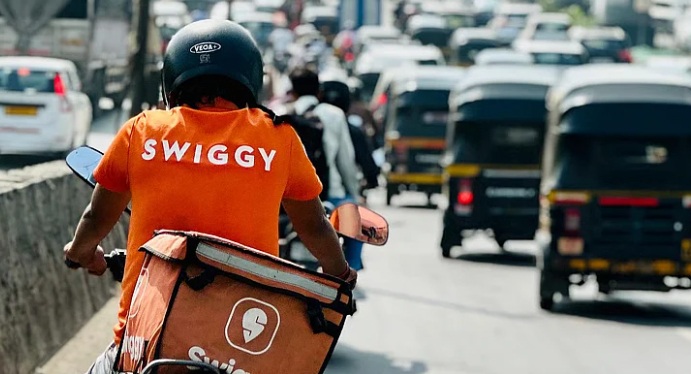
The ripple does not stop at village markets. Rural India accounts for a significant share of consumption for FMCG goods, textiles, bicycles, mobile phones, and low-cost durable items. When rural demand contracts, factories in Ludhiana, Kanpur, Coimbatore, and Pune feel the shock.
Industry associations have begun flagging a slowdown in orders for low and mid-range products. Small and medium manufacturers — already battling high input costs — now face inventory pile-ups and reduced production cycles.
An executive from a textile cluster in Tiruppur notes, “Rural demand is our lifeline. When that weakens, the entire chain — from mills to transporters — suffers.”
The Multiplier Effect in Reverse
MGNREGA wages historically created a positive multiplier effect:
- Workers earned.
- Households spent.
- Traders prospered.
- Manufacturers expanded.
- Local economies diversified.
With the scheme’s weakening, this multiplier is now running in reverse. Economists warn that the contraction in rural liquidity could shave off significant points from local GDP growth in several states.
Social Consequences: Migration and Distress
Beyond economics, the social consequences are becoming visible:
- Seasonal migration to cities is rising again.
- Indebtedness among small farmers and labourers is increasing.
- Nutritional spending is declining, with long-term health implications.
- Women’s participation, once strengthened by MGNREGA, is slipping as work availability shrinks.
A call for reassessment
Policy experts argue that MGNREGA was never merely a welfare scheme; it was a stabilising force for the rural economy. Any change to its structure must be evaluated not only through fiscal arithmetic but through its cascading impact on demand, employment, and social equity.
As India aspires to become a multi-trillion-dollar economy, the health of its rural markets — home to nearly 65 per cent of its population — cannot be ignored. The current trajectory suggests that weakening MGNREGA may save money in the short term but risks undermining the very foundation of rural economic resilience.
The road ahead
A balanced approach is needed:
- Timely wage payments
- Adequate budget allocations
- Simplified administrative processes
- Strengthening of asset creation
- Inclusion of women and marginalised communities
Restoring the vitality of MGNREGA is not just about employment; it is about sustaining the economic engine that keeps India’s villages — and by extension, its markets and industries — alive.



.jpg)

.jpg)






.jpg)




.jpg)