

Follow Us
- Oil falls to pre-Iran war levels, but petrol and diesel prices remain unchanged
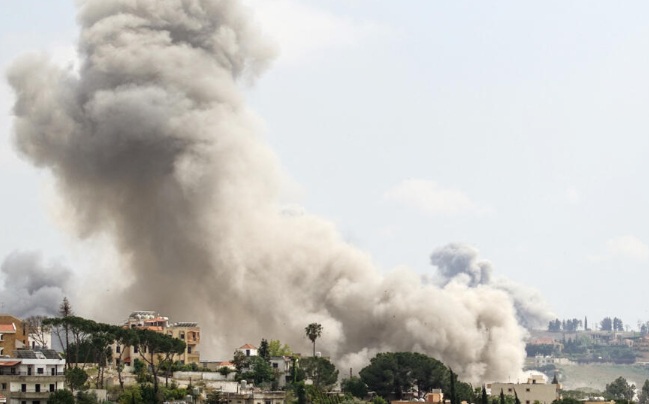
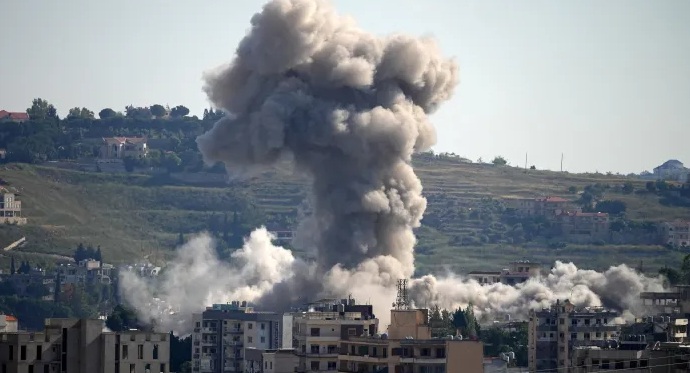
- Israel continues deadly attacks on Lebanon after new ceasefire
- West Bengal government releases DR arrear to state government pensioners; families also eligible
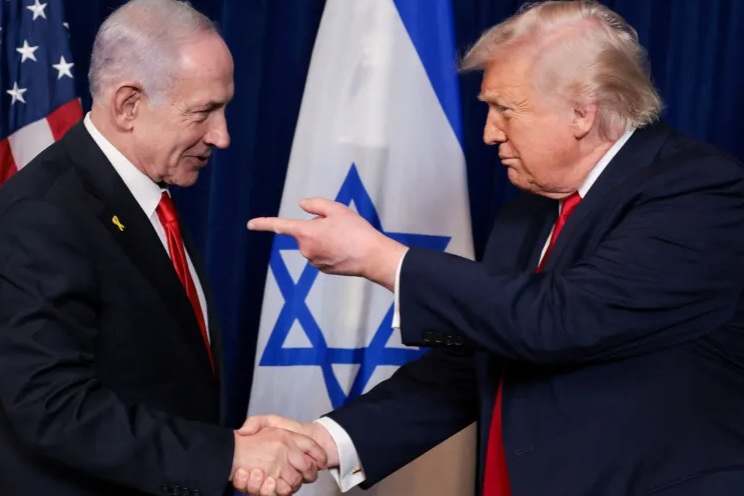
- Trump-Netanyahu spat underscores bleak reality for Israeli premier
- Israel-Lebanon agree on conditional ceasefire framework

Oil falls to pre-Iran war levels, but petrol and diesel prices remain unchanged
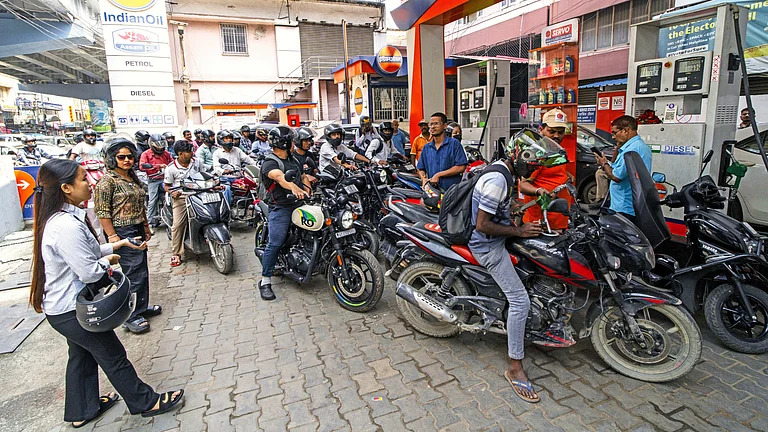
Brent crude, the international benchmark, fell to around $72-73 a barrel, while US benchmark WTI crude slipped below $70 a barrel, erasing the geopolitical premium that had pushed prices to as high as $120 a barrel during the peak of the conflict earlier this year.
The Indian basket of crude oil averaged $70.71 a barrel on June 24, compared with $71.17 a barrel on February 27, a day before the conflict began. However, the average price for June remains higher at $86.31 a barrel, compared with $72.47 a barrel in February.
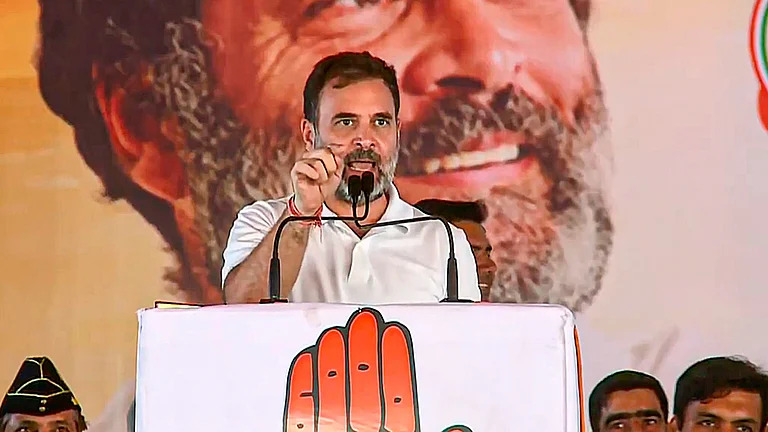
‘Gen Z’ will break PM Modi’s arrogance: Rahul Gandhi
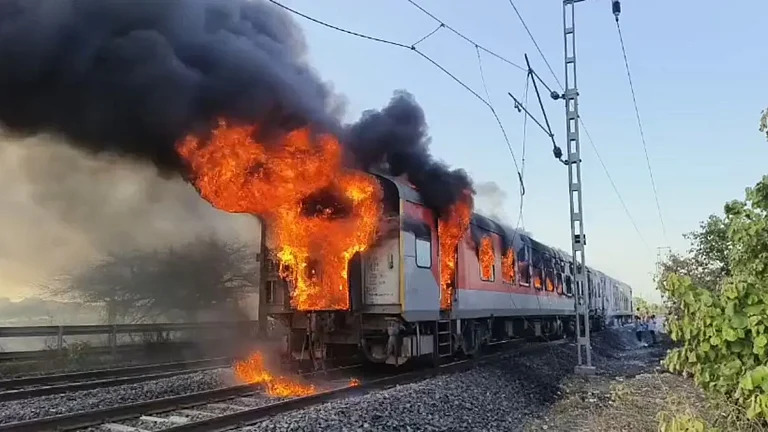
Two Coaches of Trivandrum-Delhi Rajdhani Express Engulfed in Flames, 68 Passengers Safely Evacuated
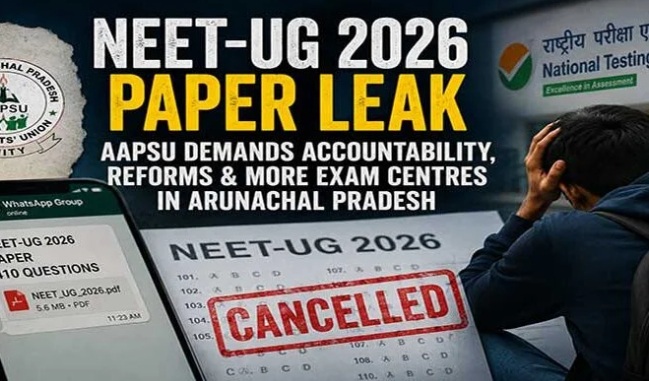
Without the Involvement of ‘Bigwigs’, a NEET Paper Leak Is Not Easy
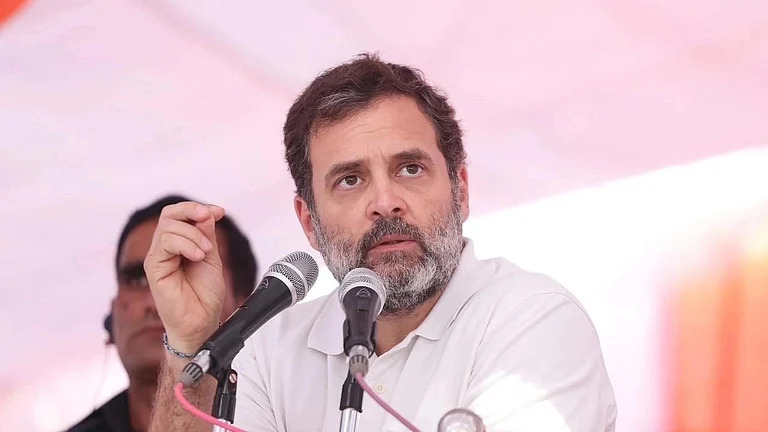
NEET Paper Leak: Rahul Gandhi Demands Removal Of Dharmendra Pradhan Immediately
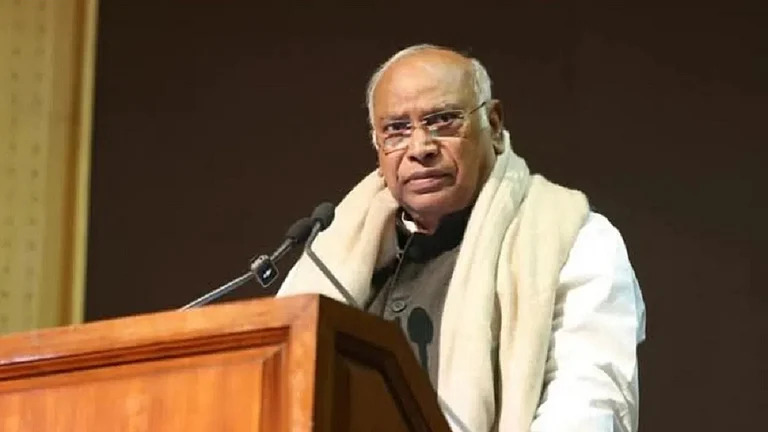
Kharge : 'Amrit Kaal’ has become ‘Mrit Kaal’ for students, demands immediate resignation of Dharmendra Pradhan
-
Oil falls to pre-Iran war levels, but petrol and diesel prices remain unchanged -
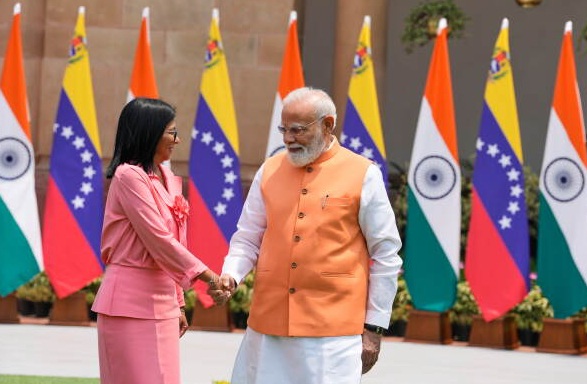
India, Venezuela agree to expand cooperation across key sectors after Modi-Rodriguez talks -
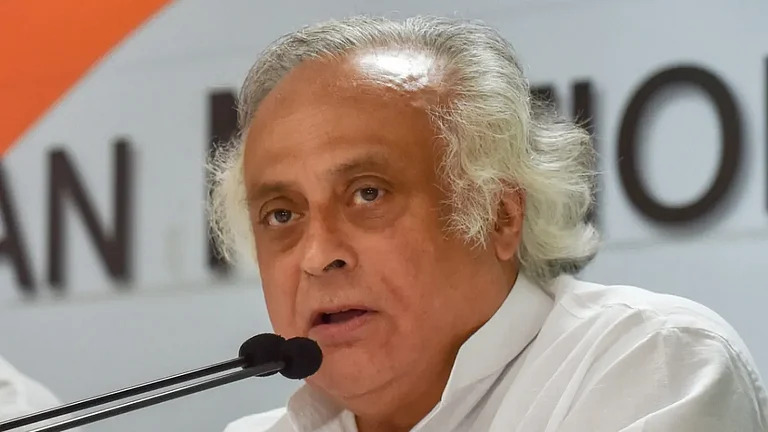
Modi govt in ‘panic mode’ over economy, says congress -

Mamata made mistake by not taking strict action against corruption:TMC MP Babul Supriyo -
‘Gen Z’ will break PM Modi’s arrogance: Rahul Gandhi -
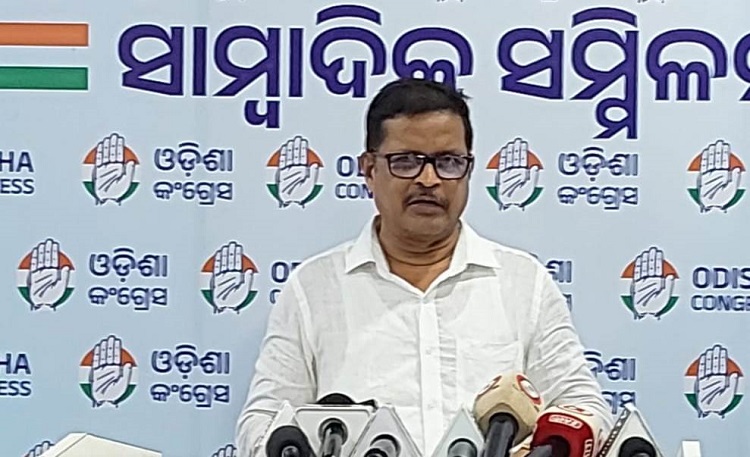
Odisha Congress seeks a timeline for Chandikhol Crude Oil Storage Project -
NEET Paper Leak: Rahul Gandhi Demands Removal Of Dharmendra Pradhan Immediately -
.jpg)
Government's mistake, people will pay the price : Rahul Gandhi on hike in petrol-diesel-CNG prices -

Odisha man brings sister’s skeleton to withdraw money from Bank -
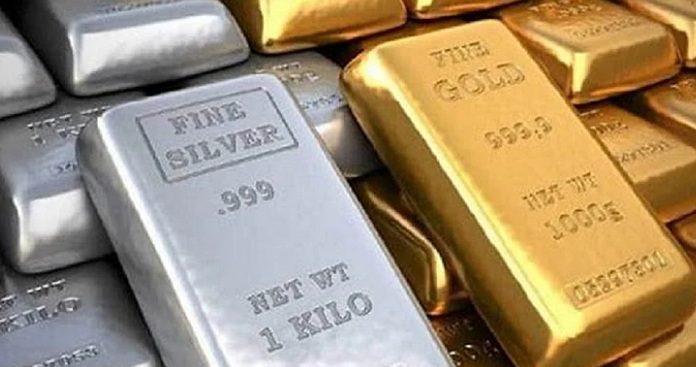
Gold and Silver Prices Decline, Know the New Rates -
.jpg)
West Bengal Elections: Campaigning Ends for Second Phase, Voting on 29 April for 142 Seats -

Bengal Elections: TMC MP Mitali Bag Attacked in Hooghly, Hospitalized; Party Blames BJP -
.jpg)
Assembly Elections : 91.46% Voting in West Bengal, 84.41% in Tamil Nadu -
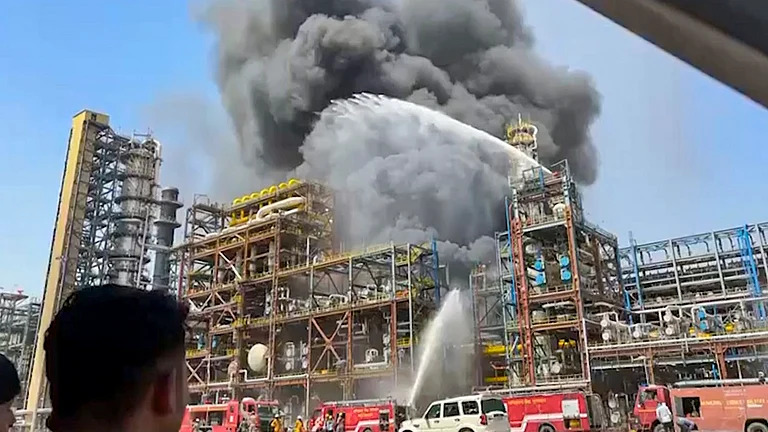
Rajasthan: Massive Fire at Pachpadra Refinery a Day Before Inauguration, PM Modi's Program Postponed -
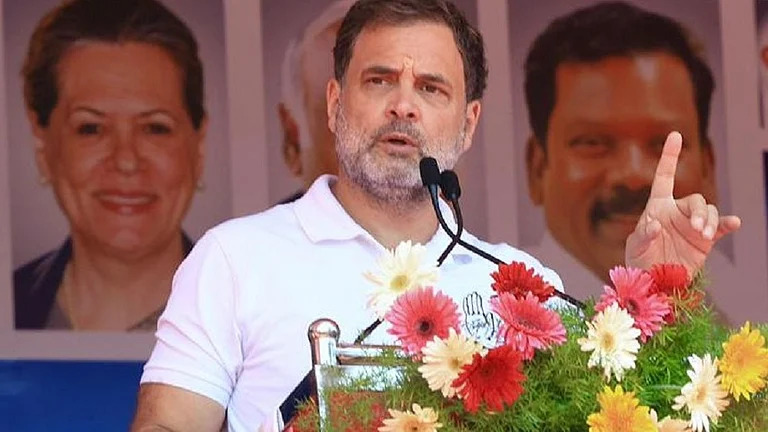
BJP has thrown Manipur into the fire, Congress will not allow hate to spread: Rahul Gandhi




-
Odisha Congress seeks a timeline for Chandikhol Crude Oil Storage Project
.jpg) First Phase West Bengal Elections : 92% Voting Amid Violence, EVM Malfunctions, and Allegations
Assembly Elections : 91.46% Voting in West Bengal, 84.41% in Tamil Nadu
First Phase West Bengal Elections : 92% Voting Amid Violence, EVM Malfunctions, and Allegations
Assembly Elections : 91.46% Voting in West Bengal, 84.41% in Tamil Nadu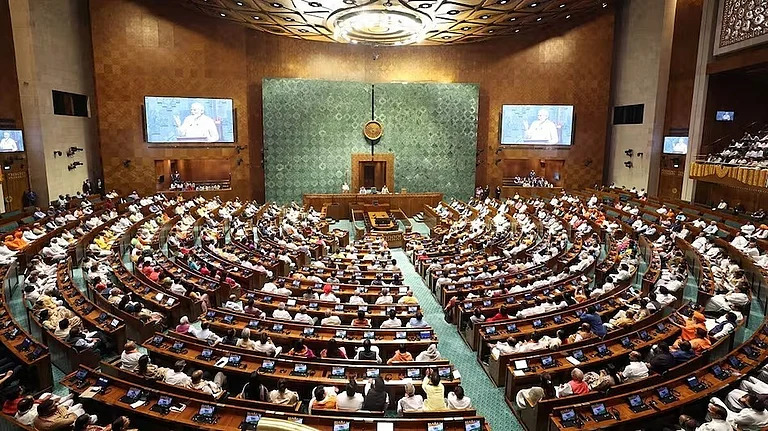 Women's Reservation Law 2023 Implemented at Midnight During Parliamentary Debate




.jpg)