
Follow Us
- Oil falls to pre-Iran war levels, but petrol and diesel prices remain unchanged
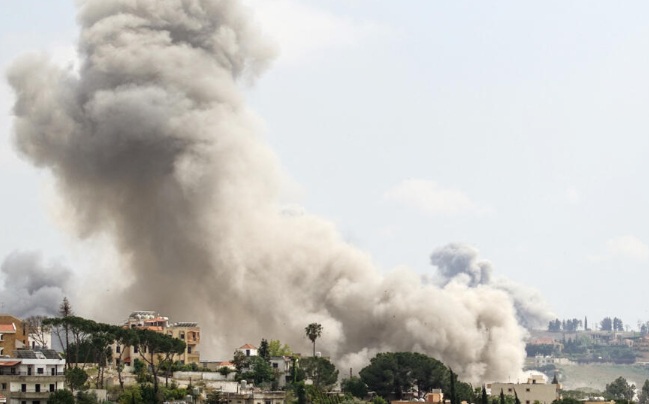
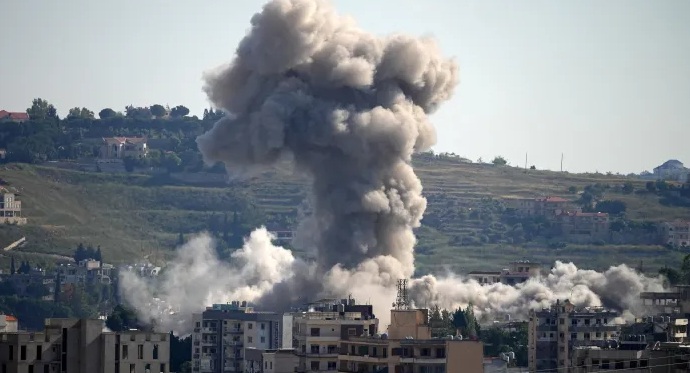
- Israel continues deadly attacks on Lebanon after new ceasefire
- West Bengal government releases DR arrear to state government pensioners; families also eligible
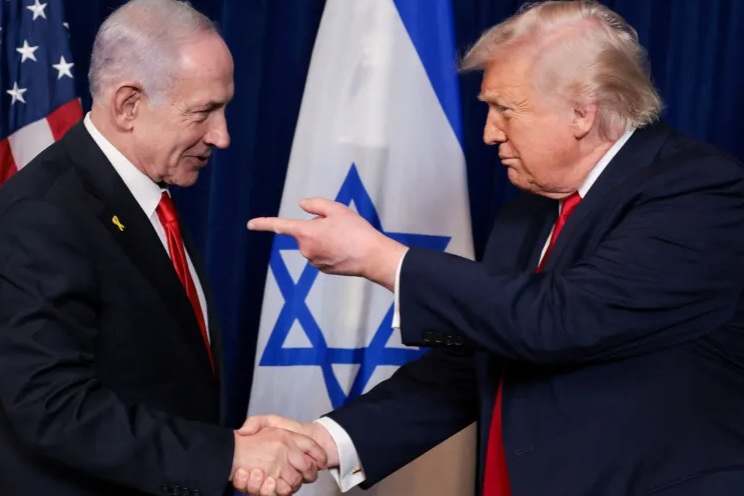
- Trump-Netanyahu spat underscores bleak reality for Israeli premier
- Israel-Lebanon agree on conditional ceasefire framework

Language row in NEP:Put stress on mother tongue and English
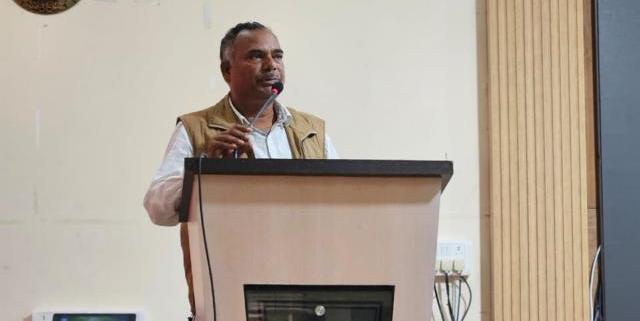
The opposition of language policy in New Education Policy( NEP)-2020 by DMK’s government in TN has a strong merit.The overemphasis of Hindi and Sanskrit in proposed three-language policy, and withdrawal of English from primary level, in National Education policy 2020 will be impacting over non-Hindi speaking states.
The language burden will be more on students of these states and additional burden on students of linguistic and religious minorities such as STs and Muslims in multilingual states like Odisha. The lowering of English will have several ramifications over participation in governance, access to higher education and scope of employment.
The NEP -2020 approved by the cabinet of Govt. of India has been opposed from many quarters based on language policy especially by non-Hindi speaking states and others concerned for education of the linguistic minorities mostly the marginalized sections. Along with language policy, there are also many connected issues such as privatization of education and limiting the scope of states in education policy formulation, although education is in the concurrent list. However, the selection of language is most important in the medium of education.
The NEP says that wherever possible, the medium of instruction until at least grade-5 but preferable till grade -8 and beyond, shall be the mother tongue /local language /regional language. It is also said that the three language formula will continue to be implemented and the Sanskrit knowledge system will be offered at all levels of school and higher education as an option in the three language formula.
There is nothing wrong in learning as many languages as possible and the mother tongue is always good for a child to learn as its first lessons, as suggested by many. But at the same time, there must be a purpose of learning languages and its usefulness in our life to get access to the scope of knowledge and dignified meaningful employment. Glorifying the past, mother tongue and ancient classical language may not serve the current purpose of building a rational knowledge society without access to available global knowledge which is not possible without English.
The recent trend in India shows an increase in learning towards English medium education and many states have already adopted English as the medium of instruction from primary level. Nowadays the common people in both urban and rural areas prefer to send their children to English medium schools for a better future and a dignified life using the English language as a gateway to opportunities globally. It is now fundamentally necessary for higher education, science, technology, engineering, IT, law, medicine, business, and governance.
In line with this since independence, many of the union Govt. education programme have established English medium school such as Navodaya, Kendriya Vidyalaya, Kasturba Gandhi Balika Vidyalaya, Eklavya model school to cater the needs which have also created scope for rural poor from different social groups to access quality English medium education because they cannot pay the higher amount of school fee charged by private schools indirectly reserved for the children of upper class. The Govt. Running English medium schools has been contributing to reducing inequality and exclusion while reducing regional disparity and promoting nation-building activities by preparing students of diverse backgrounds from different parts of the country.
The use of Hindi was opposed by the South Indian States in 1965 especially the Dravidian movement leaders R.S. Periyar, C.N. Annadurai advocated for English to curb the north Indian language and cultural dominance against federal ethos. Article 348 says that language of the Supreme Court, High Court and orders, rules, regulations, bylaws, issues under constitution and law made by Parliament and the legislatures of States shall be in English. Even today after 75 years of constitutional governance, the dominance of the English language is to be found everywhere. The people who know English are rulers and leaders of their respective field and the common people who have no access to English are excluded from all spheres of socio-eco and political life.
The pioneer of modern India Raja Ram Mohan Roy had vehemently argued for modern education with English medium in India in his letter to Governor General William Pitt in 1823. He said “the Sanskrit system of education would be best calculated to keep this country in darkness”. In 1816, he opened an English medium school for boys. Later, T B Macaulay in 1835 introduced English education through the English Education Act and it was approved by William Bentinck, the then Governor General of India.
Though English was discouraged as part of the anti-colonial struggle by G.K. Gokhale, M.K. Gandhi and R.M. Lohia but post-Independent India witnessed the growth of English education in cities and mostly preferred by Indian ruling elites and today it is being realized by many States that the unemployment , backwardness and social inequalities are many ways linked to the medium of education.
Dr. Ambedkar once said English is like the milk of lioness and access to this can be a life changing skill. The states of West Bengal, Odisha, AP and Telangana,Punjab and Jammu and Kashmir have adopted English as a medium of instruction from primary level along with giving equal importance to their regional language. It is said that the decision of the left front Government of WB in 1983 to withdraw English from primary level has affected the employability of the youths in the State.
Language is one the important vehicles of participation but the deprivation from learning official language has been affecting majority involvement in governance. The 62 ST in Odisha constitute about one-fourth of the population speak about 21 languages and 74 dialects and only seven tribes have their own scripts.
Santali language is included in the 8th schedule but it has been difficult to teach the tribal children in their mother tongue at primary level due to lack course material in all subjects.Though it is good to educate children in mother tongue for learning the basics but they must be educated in English medium for a level playing field if we want to see any radical change in their life. (manasbbsr15@gmail.com)
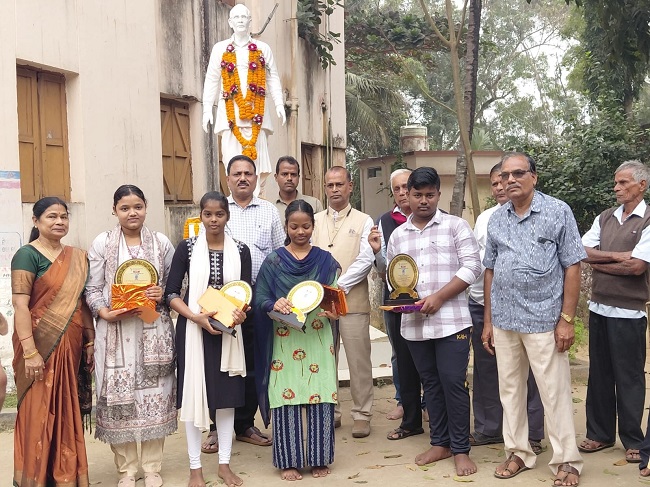
Scholarships Awarded on eminent educationist Dr. Satyanand Panda’s 8th Death Anniversary
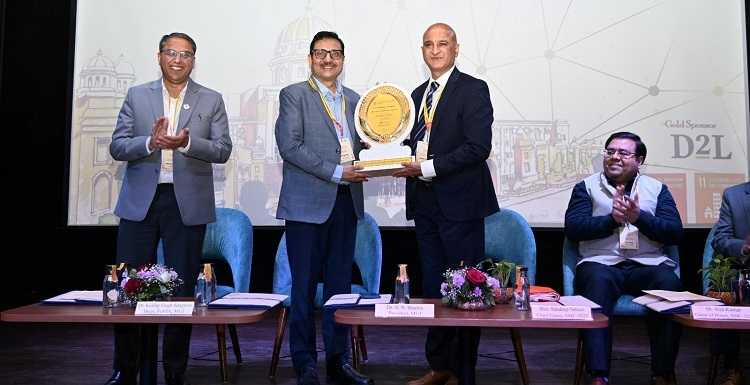
Manipal University Jaipur Hosts SSIC-2025
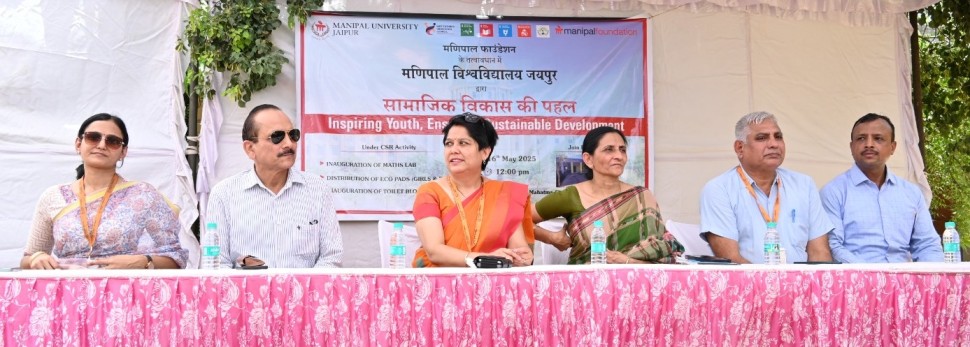
Manipal University Jaipur Leads CSR Drive, Inaugurates Maths Lab and Toilets in Begas
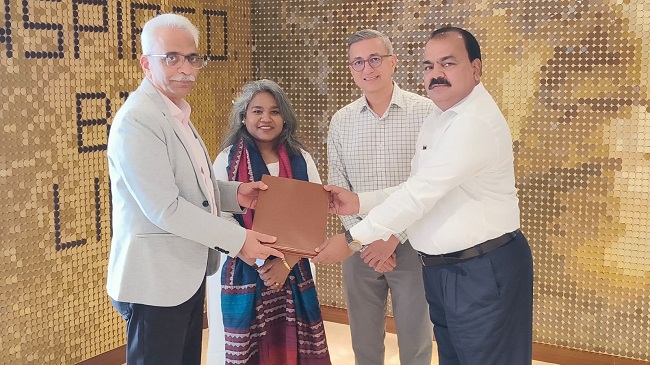
Manipal Foundation, SLS Trust collaborate to sponsor tribal students’ professional education
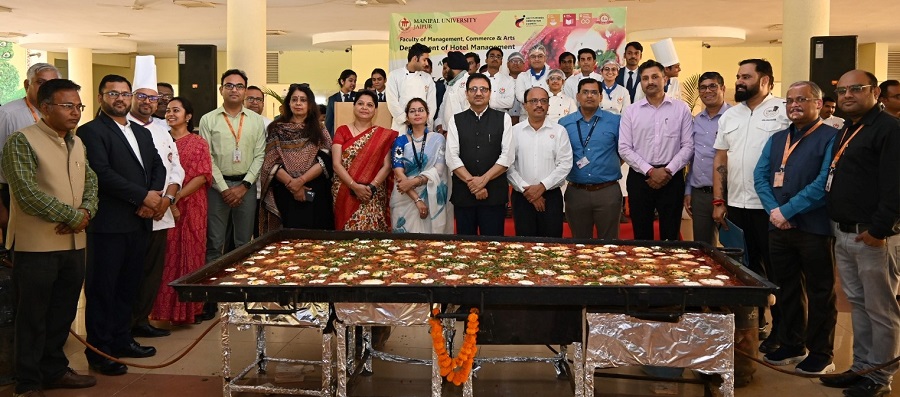
Manipal University Jaipur Sets Limca Book Record with India’s Largest Vegetarian Shakshuka
-
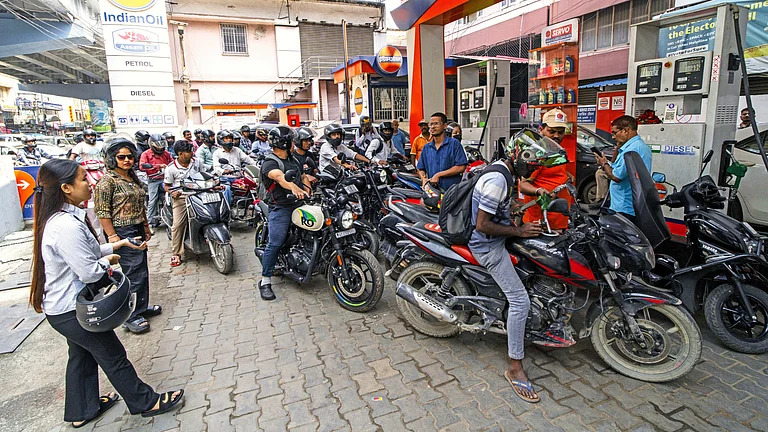
Oil falls to pre-Iran war levels, but petrol and diesel prices remain unchanged -
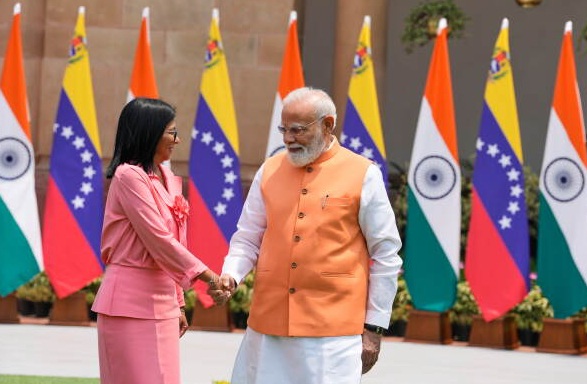
India, Venezuela agree to expand cooperation across key sectors after Modi-Rodriguez talks -
Modi govt in ‘panic mode’ over economy, says congress -
Mamata made mistake by not taking strict action against corruption:TMC MP Babul Supriyo -
‘Gen Z’ will break PM Modi’s arrogance: Rahul Gandhi -
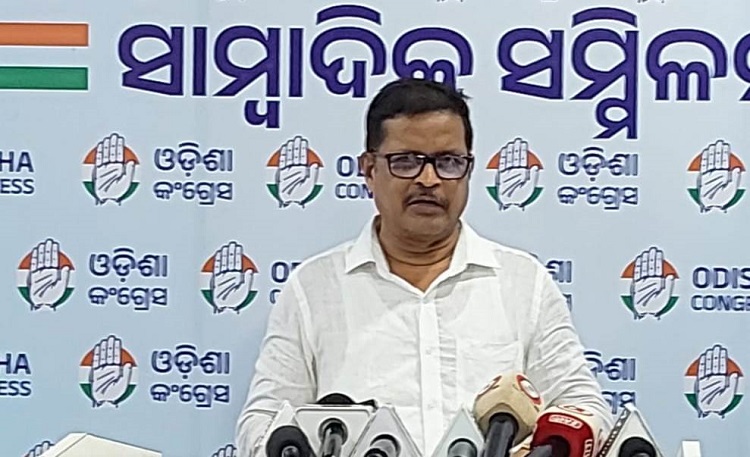
Odisha Congress seeks a timeline for Chandikhol Crude Oil Storage Project -
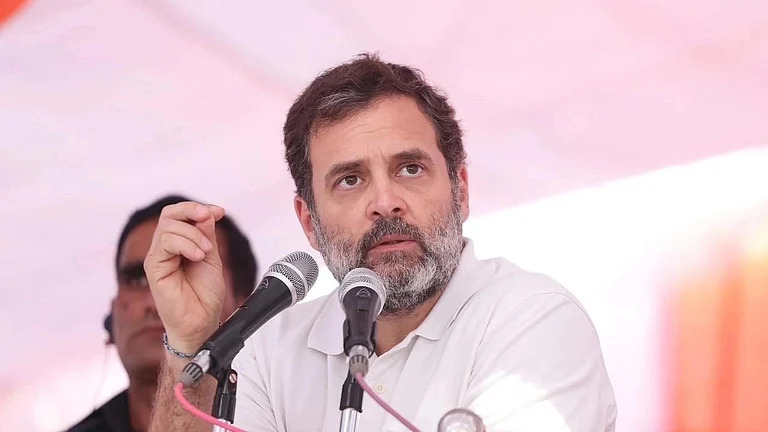
NEET Paper Leak: Rahul Gandhi Demands Removal Of Dharmendra Pradhan Immediately -
.jpg)
Government's mistake, people will pay the price : Rahul Gandhi on hike in petrol-diesel-CNG prices -

Odisha man brings sister’s skeleton to withdraw money from Bank -

Gold and Silver Prices Decline, Know the New Rates -
.jpg)
West Bengal Elections: Campaigning Ends for Second Phase, Voting on 29 April for 142 Seats -

Bengal Elections: TMC MP Mitali Bag Attacked in Hooghly, Hospitalized; Party Blames BJP -
.jpg)
Assembly Elections : 91.46% Voting in West Bengal, 84.41% in Tamil Nadu -
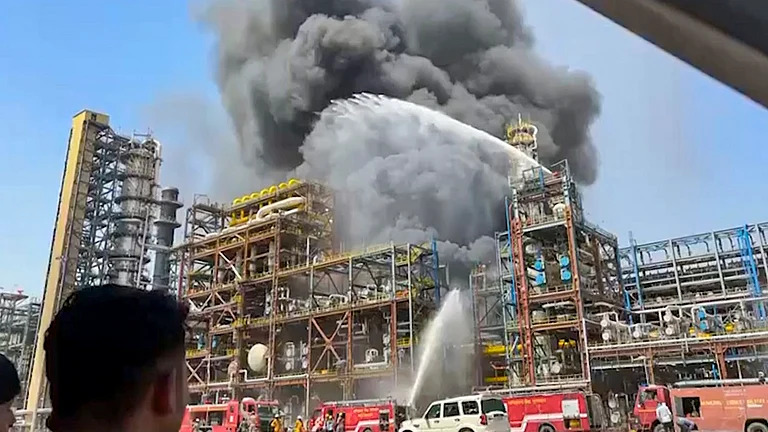
Rajasthan: Massive Fire at Pachpadra Refinery a Day Before Inauguration, PM Modi's Program Postponed -
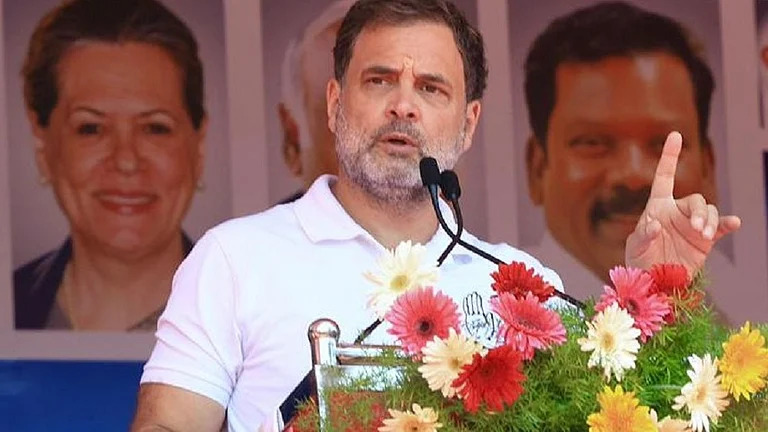
BJP has thrown Manipur into the fire, Congress will not allow hate to spread: Rahul Gandhi



-
Odisha Congress seeks a timeline for Chandikhol Crude Oil Storage Project
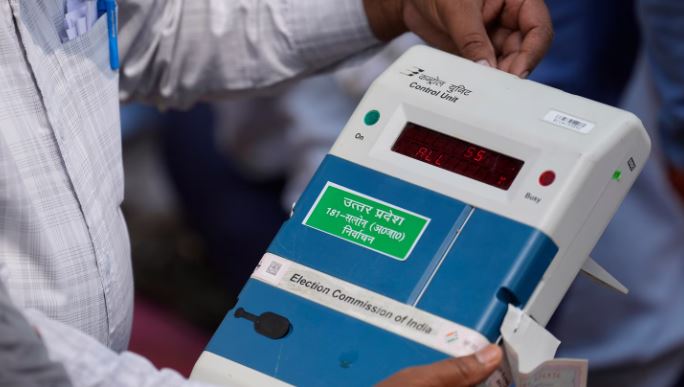
.jpg) First Phase West Bengal Elections : 92% Voting Amid Violence, EVM Malfunctions, and Allegations
Assembly Elections : 91.46% Voting in West Bengal, 84.41% in Tamil Nadu
First Phase West Bengal Elections : 92% Voting Amid Violence, EVM Malfunctions, and Allegations
Assembly Elections : 91.46% Voting in West Bengal, 84.41% in Tamil Nadu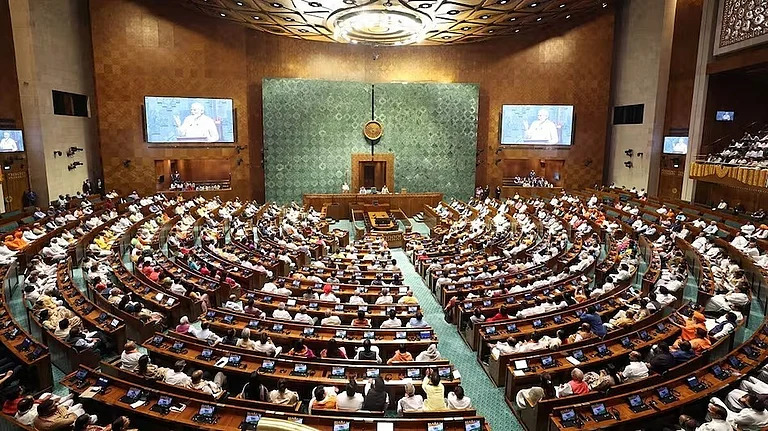 Women's Reservation Law 2023 Implemented at Midnight During Parliamentary Debate



.jpg)